A facade quote can look clean, round and reasonable, and still hide roughly 30% of the real cost in lines that almost nobody reads. Field experience shows that the headline figure is rarely the problem. The problem is what the figure quietly assumes.
Why the headline price is the least reliable number
Most homeowners compare quotes by the bottom line. That habit rewards the contractor who leaves the hard work out of the sum. A low total often means the scope is narrow, the access is unpriced and the preparation is described in a single vague phrase like “prepare surfaces as required”. Those words cost nothing on paper and a great deal on site.
Contractors report that the biggest surprises appear within the first week of work. Scaffolding goes up, the old finish turns out to be lifting, and a crack that looked cosmetic is found to run through the substrate. None of this is hidden by bad faith. It is hidden by the way the quote was written.
Access and scaffolding: the first line that grows
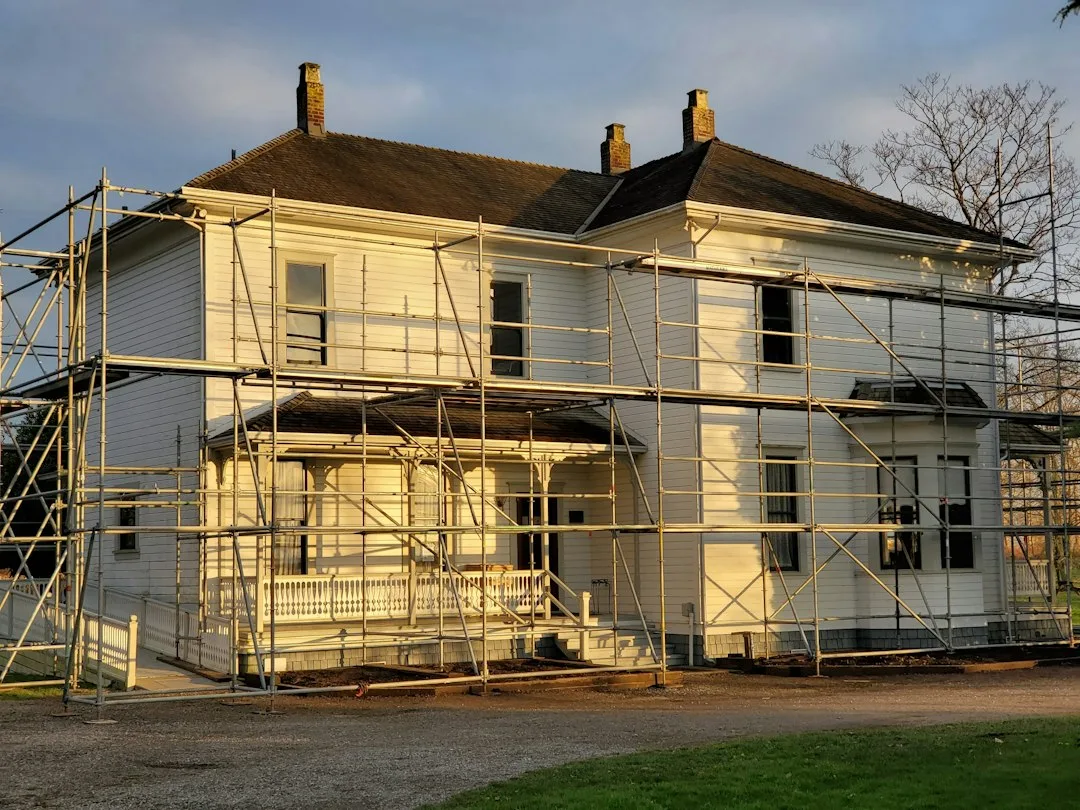
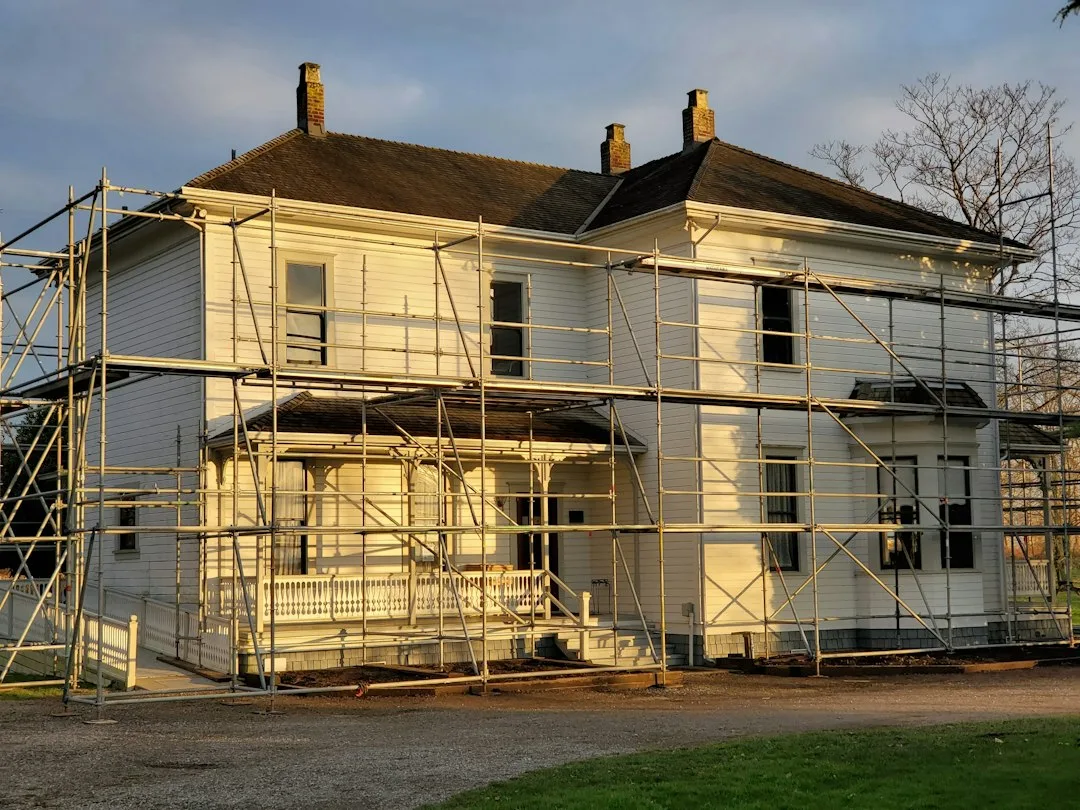
Access is the line most often underpriced. Scaffolding is usually quoted as a fixed sum for a standard period, but facade work rarely finishes on schedule. Rental days accumulate, staged access adds mobilisation charges, and any height surcharge appears only once the crew arrives. Ask whether the scaffold rental is priced per week or per day, who pays for extensions, and whether mesh or protective sheeting is included.
| Quote line | What it usually hides | Typical overrun risk |
|---|---|---|
| Scaffolding or access | Height surcharges, staged access, rental days added | High |
| Surface preparation | Removal of old finish, cleaning, rot or crack repair | High |
| Primer and base coats | Extra coats for dark or porous substrates | Medium |
| Fixings and adhesives | Mechanical anchors, mesh, specialist mortar | Medium |
| Waste and disposal | Skip hire, hazardous waste handling | Low to medium |
| Weather allowance | Idle days, protection sheeting, reschedule fees | Medium |
Surface preparation and the hidden repair list
Preparation is where a 30% gap usually opens. Removing an old render, stripping paint, cleaning biological growth and filling cracks are individually small, but together they can dominate the labour. A quote that says “clean and prepare” without specifying the method, the depth of removal or the crack repair standard has left the most expensive decisions for later.
Look for explicit terms on three points. First, what counts as sound substrate and what counts as failed. Second, who decides when a repair is needed. Third, what the unit rate is for extra repair, whether it is per square metre or per linear metre of crack. If the answer is “to be agreed”, you are holding an open cheque.
Moisture is a common trigger. Damp walls, failed sealants and salt-laden surfaces all lengthen preparation. Where coastal exposure is a factor, the choice of finish matters too, as explored in how salt air ages facades and why material choice decides the pace.
Fixings, adhesives and the systems that decide longevity
Fixings are the lines that look like detail and behave like structure. For decorative foam elements, the difference between a correct and an incorrect installation is often the adhesive system, the mechanical anchoring and the substrate preparation beneath them. A quote that mentions “fix decorative elements” without naming the adhesive, mesh or anchor type leaves the owner exposed.
Installers should specify the adhesive product, whether mechanical fixings are included, and whether reinforcement mesh is in the base coat. Ask how movement joints are handled, because a rigid bond on a moving wall is a classic route to cracking. Field experience shows that repairing a detached element costs several times more than specifying the right system at the start, which is why this line deserves close reading.
When you compare options, consider the finished look as well as the fixing. Installers who price decorative detail carefully tend to specify systems that hold their shape, such as exterior foam moldings fixed to a prepared substrate with a documented method. The same discipline applies to elements like decorative window sills, where a poor junction with the render can start water entry.
Primer, base coats and the finish you are not seeing
Coatings are often quoted as “two coats” without reference to the substrate. A dark or porous wall can need additional primer or an extra base layer to achieve even colour and adequate protection. A matte finish on a dark tone also shows dirt faster, which can make the apparent value of a cheaper coating disappear within a few seasons. Ask for the coat count, the product names and the coverage rate the supplier specifies.
Waste, weather and the days nobody budgets
Two smaller lines matter more than they seem. Waste disposal is often excluded, particularly where old render contains asbestos or other controlled materials, and the disposal charge can be substantial. Weather is the other. Rain, frost and high humidity stop work, and each stopped day can mean idle labour, protection sheeting and a rescheduled scaffold. A quote that does not state a weather allowance or the rule for delays will pass those costs to you.
Check whether waste removal is included, whether testing for hazardous material is required, and how stoppages are charged. These are not technicalities. They are where the 30% often appears.
How to read a quote before you sign
Reading the quote properly takes about an hour and can save a multiple of that in later argument. Start with the exclusions, because they define the boundary of the price. Then check each provisional sum for a cap, a unit rate and a clear trigger. Confirm the scaffold period and the rule for extensions. Finally, ask for the product names and the method for every fixing and coating.
A reputable contractor will welcome these questions, because clear answers protect both sides. Vague answers are information too. If a supplier resists itemising preparation or repair, expect the overrun later. The aim is not to find the cheapest quote but the one whose costs are visible before work begins.
What to do in the first 30 days of the job
Once work starts, track changes against the quote in writing. Record every additional repair, the reason for it and the agreed rate. Photograph the substrate before and after preparation, and keep a log of stopped days and their causes. This discipline makes disputes rare, because every variation has a date, a reason and a price attached to it.
Most facade overruns are not dramatic failures. They are a slow accumulation of lines that were never read closely enough. Reading them now, before the scaffold goes up, is the cheapest decision you will make on the whole project.