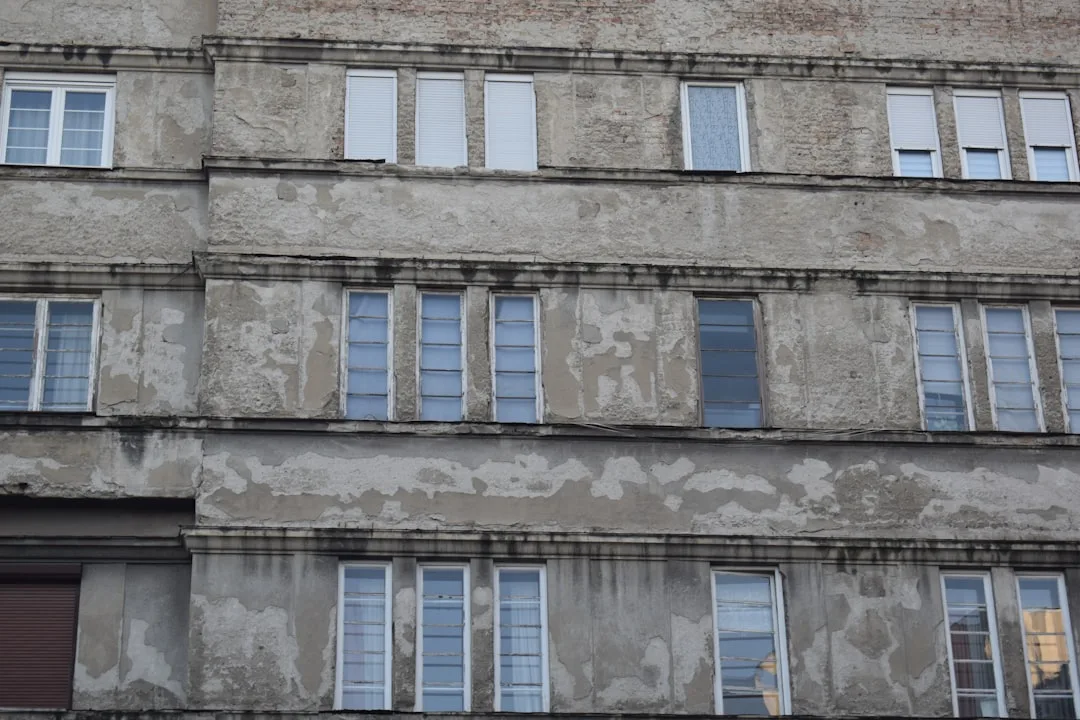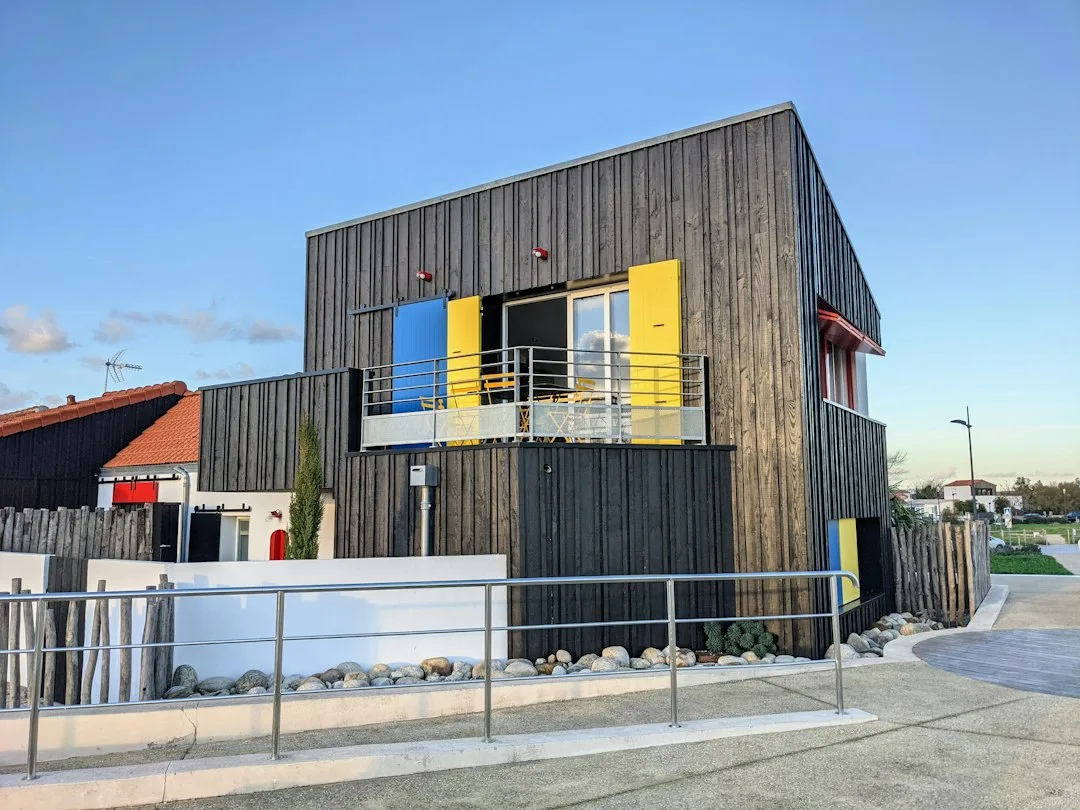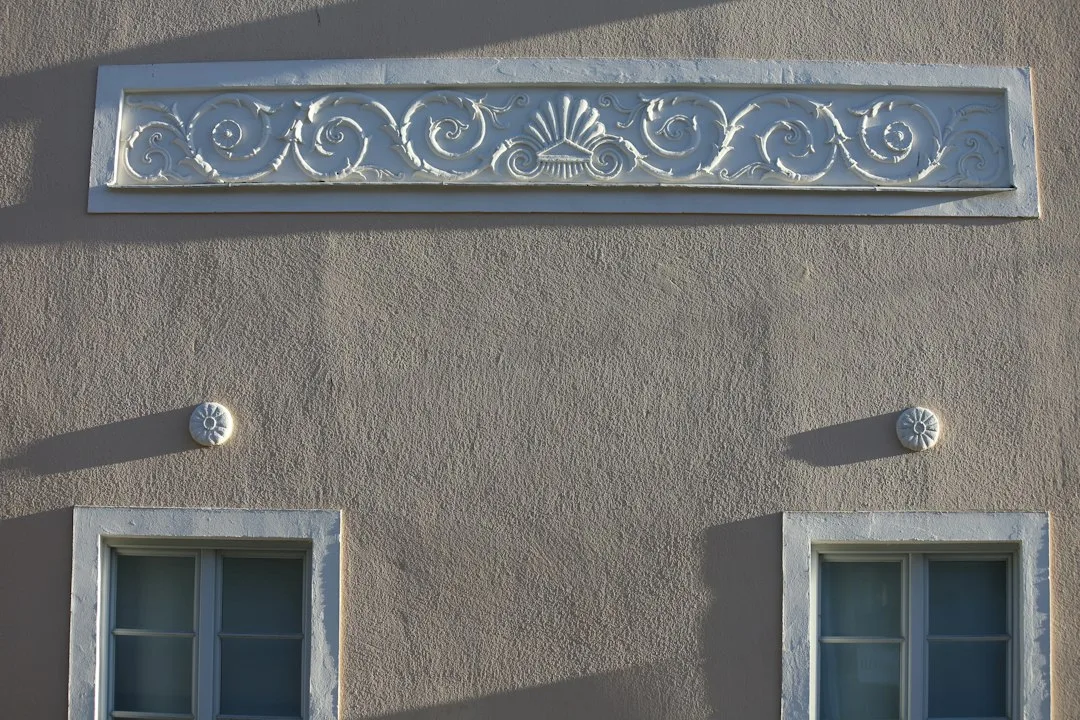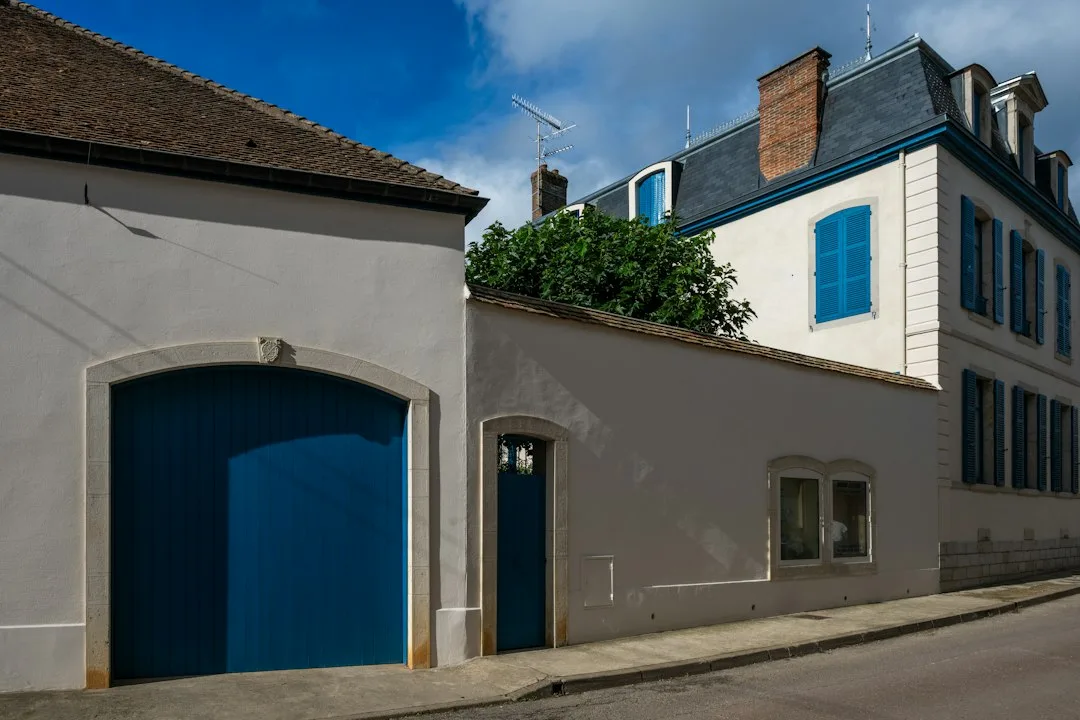
Exterior window molding comes in two quite different families. An aluminium wrap is a flat finishing layer that covers the gap between the frame and the wall and needs almost no upkeep. A profiled molding stands proud of the wall and gives the window a visible frame with shadow. If you only want a clean edge, the wrap is enough, provided you allow for how much aluminium moves with temperature. If you want the window to read as framed from the street, you need relief.
What do people mean by an aluminium window wrap?
The term covers three different things, and mixing them up is how people order the wrong part:
- A flat cover strip or finishing profile that hides the joint between the window frame and the wall finish.
- Bent aluminium sheet made to measure, wrapping the reveal, the sill or the sides in as few pieces as possible.
- A decorative surround fitted around an aluminium window. Here the aluminium is the window itself, not the trim, and the border around it still has to be dealt with.
Work out which of the three you are dealing with before you compare prices or colours.
What aluminium solves, and what it does not
It solves protection and tidiness: a rigid, coated profile does not swell or split the way painted wood can, and it hides an uneven joint neatly. What it does not do is change how the wall looks. Flat against a smooth render or siding, it reads as a thin line, not a frame. A window looks framed because the trim sits on a different plane from the wall, so it catches light and casts a shadow. That depth is what separates a finished edge from a decorative one.
How much does an aluminium profile move?
This is the point installation guides keep repeating and DIY projects tend to miss. The manufacturer PREFA gives a linear expansion coefficient of 0.024 mm per metre per degree for its aluminium facade profiles. Over a 100 °C swing between a cold night and a sunlit wall, the numbers are:
| Length of the piece | Growth at a 60 °C swing | Growth at a 100 °C swing |
|---|---|---|
| 3 ft (about 1 m) | 1.4 mm (about 1/16 in) | 2.4 mm (about 3/32 in) |
| 6.5 ft (about 2 m) | 2.9 mm (about 1/8 in) | 4.8 mm (about 3/16 in) |
| 10 ft (about 3 m) | 4.3 mm (about 11/64 in) | 7.2 mm (about 9/32 in) |
The figures are calculated with PREFA's coefficient (length × 0.024 × temperature swing). For its own profiles, the manufacturer recommends a gap of at least 10 mm at joints, one round hole at the centre of each piece as the fixed point and slotted holes for every other fastener. The principle applies to any long metal trim: if every fixing is rigid, the piece will buckle or open its joint sooner or later.
Aluminium wrap or a profiled molding: how to decide
Ask two questions, in this order. First, is the current edge sound? A cracked render or an open joint hidden under a wrap is still a problem, only out of sight. Second, do you want a finish or a style?
- Finish only (refitting windows, hiding an untidy joint): an aluminium cover profile or bent sheet.
- Style (a visible frame with depth and shadow): a profiled molding standing out from the wall around the opening.
- Both: keep the aluminium inside the reveal and let the molding frame the opening on the outside.
ArtFacade's product pages on this site describe window moldings in expanded polystyrene (EPS) with an acrylic coating, made together with the finish of the window reveal as a single element, whatever the reveal depth. They are described as usable on both wood and aluminium window frames. A molding and reveal in one piece avoids extra joints to cover. See the exterior window moldings and, for the bottom edge, the decorative window sills.
Do you need permission to change the trim around a window?
Often, yes, and the rules depend on where you live. In France, for example, service-public.gouv.fr (page checked on 10 November 2026) says a project needs a prior declaration when the work changes the building's exterior appearance, and the local plan sets the rules on materials and colours. Elsewhere, the equivalent can be a building permit, a conservation-area rule or a homeowners' association approval. A new material or colour around the window can change the appearance of the facade, so ask your local authority or association before you order.
Checklist before you order
- Decide the case: cover strip, bent sheet, or a decorative surround around an aluminium window.
- Measure each side separately; openings are rarely square.
- Find the longest piece and work out its movement with the table above.
- Plan one fixed point at the centre and slotted fixings elsewhere; do not glue a long piece along its whole length.
- Check local planning rules and, where relevant, your association's rules before buying.
Sources
- PREFA: thermal expansion of extruded aluminium profiles
- Service-public.gouv.fr: planning rules for changing a window, shutter or door (France)