Why EPS Facade Coatings Fade in 36 Months—The UV Barrier Nobody Applies
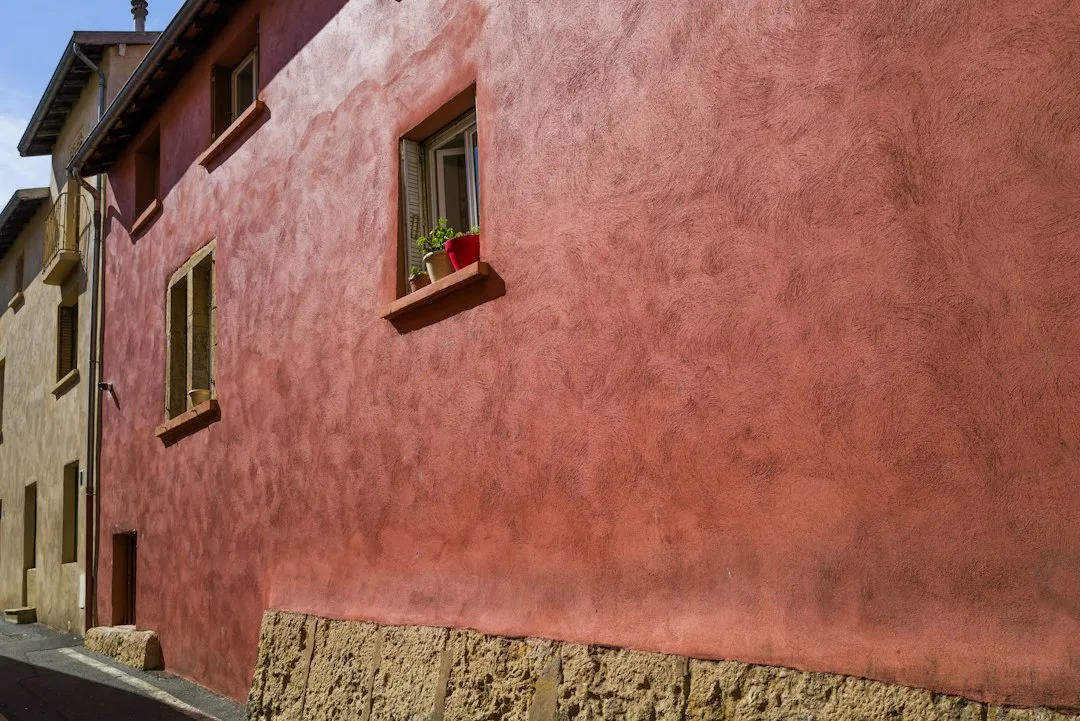
a red building with a window on the side of it

Most EPS facade decorations lose 40–60% of color depth within 36 months because installers apply standard acrylic paint instead of UV-stabilized elastomeric coatings. A single protective detail—acrylic latex with UV inhibitors—prevents premature aging and extends the visual lifespan to 10+ years.
Why EPS adhesive fails after 3 years while mechanical anchoring lasts 25—what installers won’t admit

a black and white photo of a concrete wall

Most EPS moldings fail between years 2 and 4 because adhesive alone cannot handle thermal cycling and wind load. Mechanical fastening with proper spacing survives 25+ years. Contractors avoid this fact because it costs more labor and requires structural knowledge.

EPS Load Calculation Reveals Why Installers Underestimate Facade Weight by 40 Percent

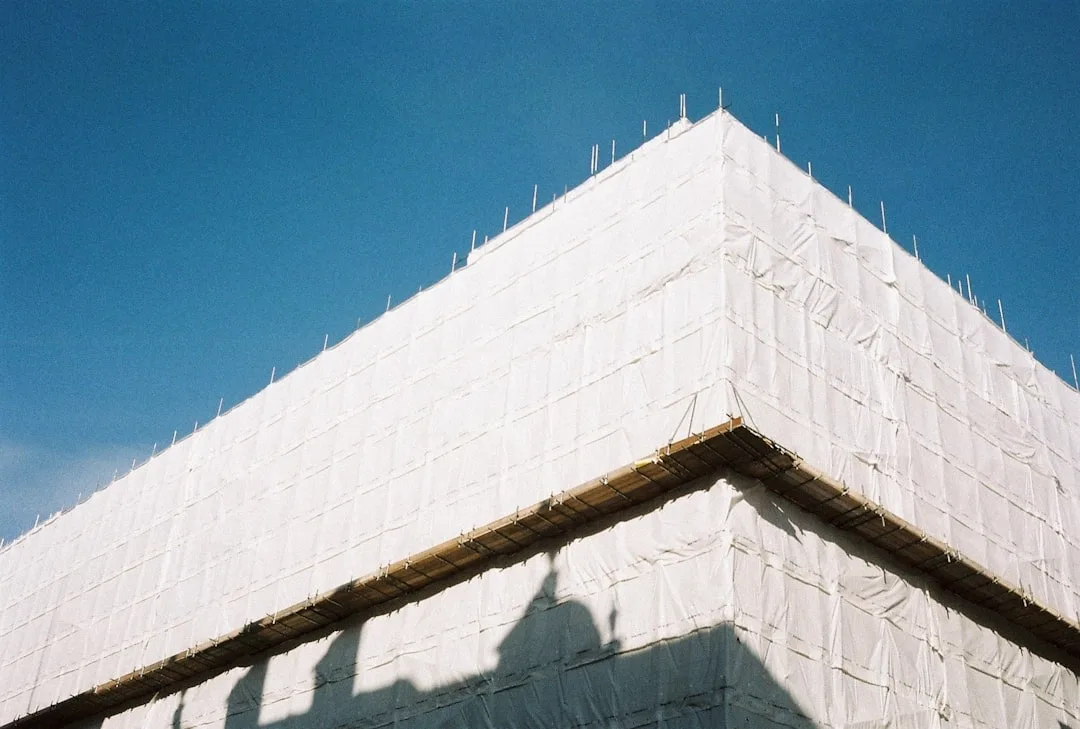
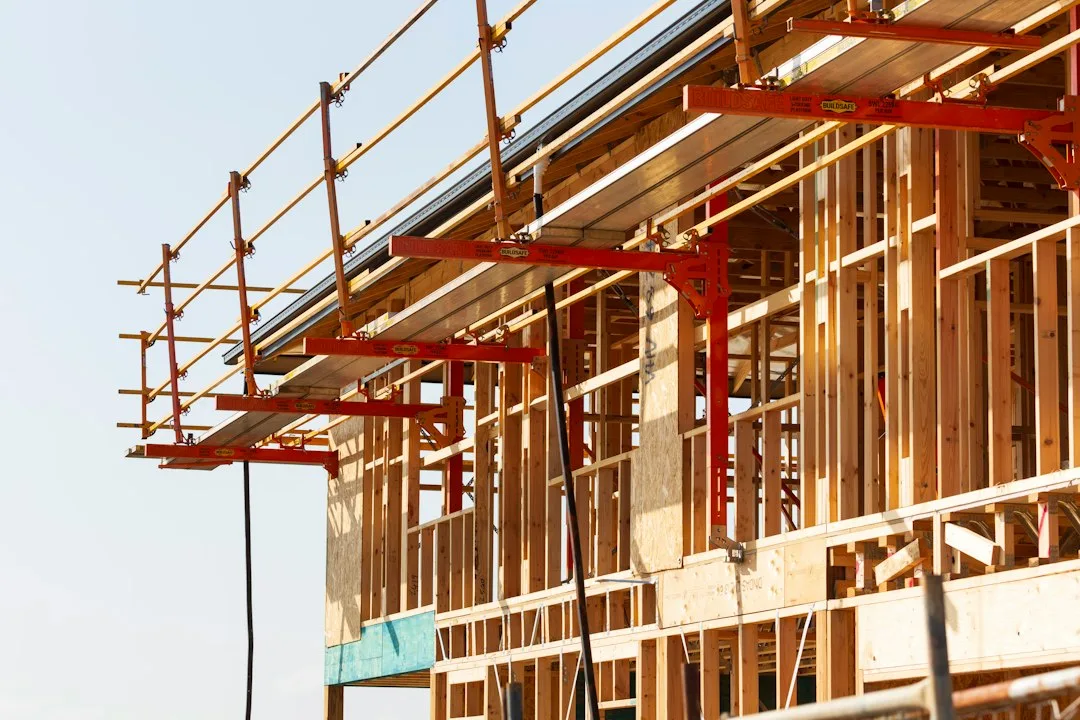
a building under construction with scaffolding and a clock

EPS load calculations published by suppliers omit moisture absorption weight, leaving contractors with structural unknowns. Real-world facade ornaments weigh 35–45 percent more when saturated than dry specifications suggest. This hidden load triggers fastener shear stress, facade movement, and accelerated deterioration.

Where your EPS moldings bleed 15 percent of your home’s heat

a black and white photo of a concrete wall

Decorative EPS moldings around windows, cornices, and keystones create invisible thermal bridges that pull 15% of your home’s heated air directly outside. Most contractors install them as purely aesthetic elements, missing the insulation cavity underneath where condensation and heat bypass occur every winter.

Prefab vs Custom EPS Window Frames—The Sizing Flaw That Cracks Facades in 180 Days

Open window with construction happening outside

Prefabricated EPS window frames fail within 6 months because manufacturers use nominal dimensions, not thermal expansion rates. Custom frames cost 30–40% more upfront but eliminate the expansion joint cracking that demolishes most facade renovations by month three.

Moisture Behind EPS Moldings Decays Ornaments in 5 Years—The Cavity Nobody Inspects

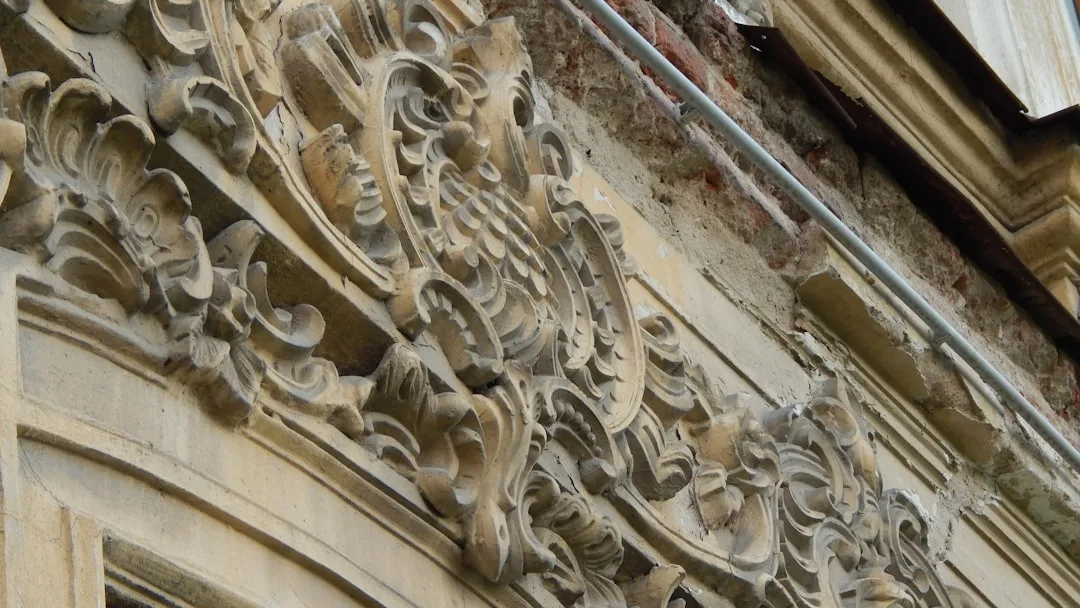
Intricate stone carvings adorn old building facade

Moisture penetrates behind EPS ornaments through microscopic gaps, causing internal decay that exterior paint cannot reveal. Most contractors ignore the cavity behind moldings where humidity accumulates. Proper drainage and vapor management add 8–12 years to ornament lifespan.

Why EPS Ornaments Rot From Inside While Paint Stays Perfect

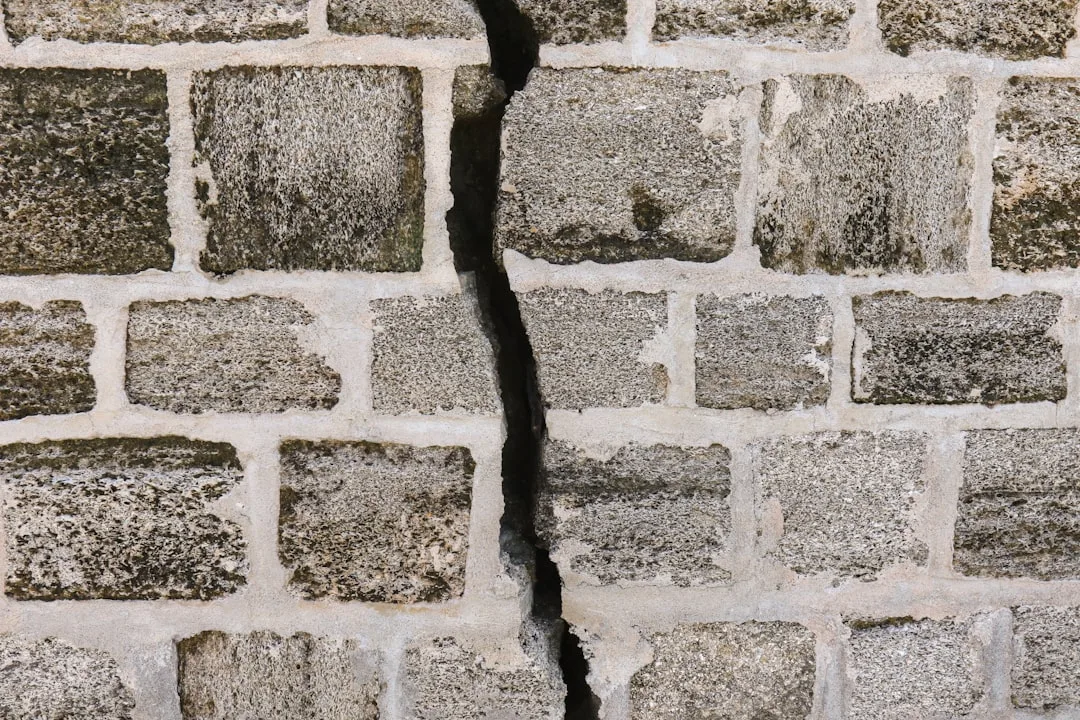
a gray concrete wall with some cracks in it

Most contractors treat EPS moldings like drywall—they assume finishing coat equals protection. Field experience shows that moisture penetration destroys EPS from inside while exterior paint remains intact. A proper weather barrier under your finish coat costs €8–15 per linear meter but prevents €2,000+ in replacement ornaments.

Wrong finish coat on EPS ornaments ages them four times faster than it should

a close up of a wall made of cement

The wrong finish coat on your EPS facade ornaments will age them in four years instead of fifteen. Field experience shows most contractors apply finishes that trap water vapor, triggering foam breakdown, color loss, and structural weakness before a decade passes.

EPS Installation Depth Wastes More Heat Than Thickness—Why Contractors Ignore the Real Culprit

white concrete wall under blue sky during daytime

Contractors focus on EPS thickness while installation depth—how far the foam sits from the substrate—quietly bleeds 30% more heat than thickness variations. A 5cm gap versus 2cm gap loses the equivalent of a thinner material layer. Field experience shows this is the forgotten variable in facade insulation.