Why 5mm More EPS Thickness Costs 10 Times More in Facade Repairs
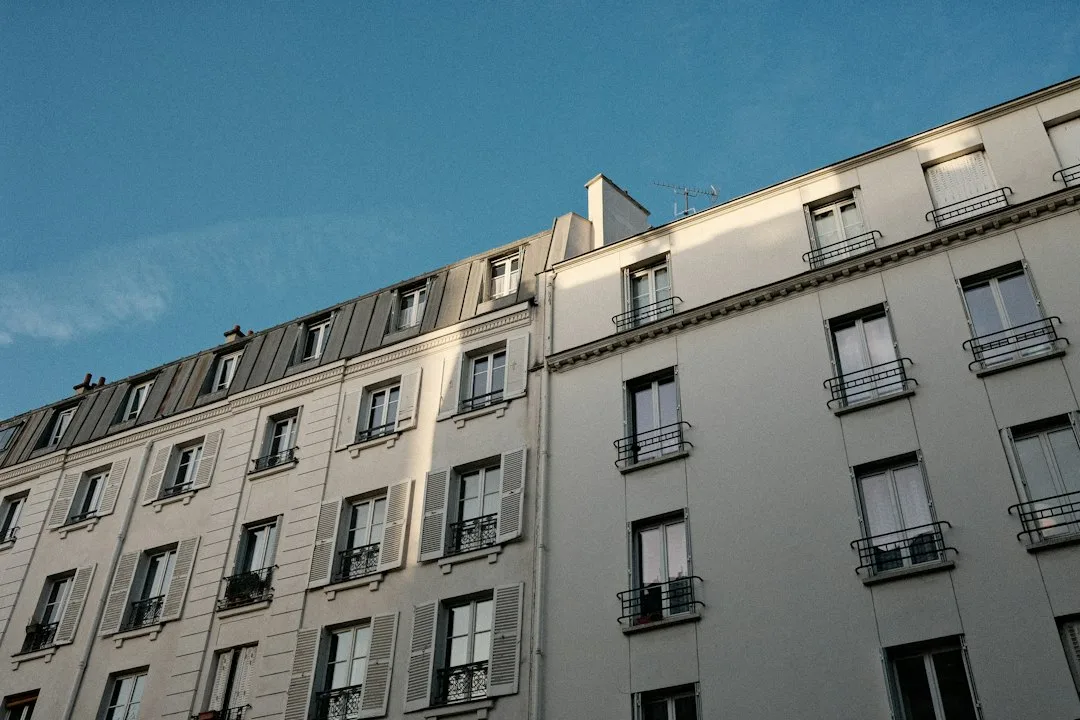
Two apartment buildings under a clear blue sky

A 5mm difference in EPS facade thickness—the gap most contractors ignore during installation—becomes the difference between a 15-year facade and one requiring full restoration in 7 years. Repair costs jump from €200 to €2,000+ per linear meter when the substrate fails. This is not marketing; it’s structural physics.
EPS Facade Overhang Expands 2cm in 2 Years—The Air Gap Calculation Contractors Skip

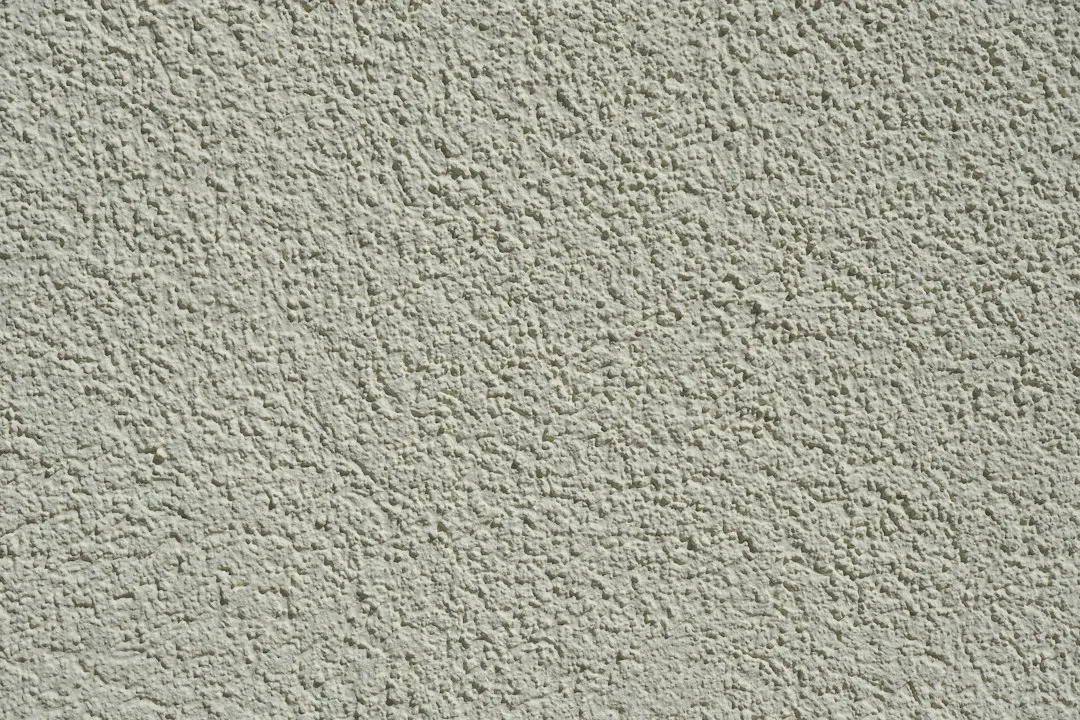
a close up of a wall made of cement

EPS facade overhangs swell up to 20mm in just 24 months due to thermal cycling and moisture absorption. Most contractors install rigid trim without accounting for this movement, leading to adhesive failure and structural stress. The air gap nobody calculates becomes the crack everyone sees.

EPS Window Sills Without Side Joints Cost 40% More to Maintain—Why Contractors Hide This

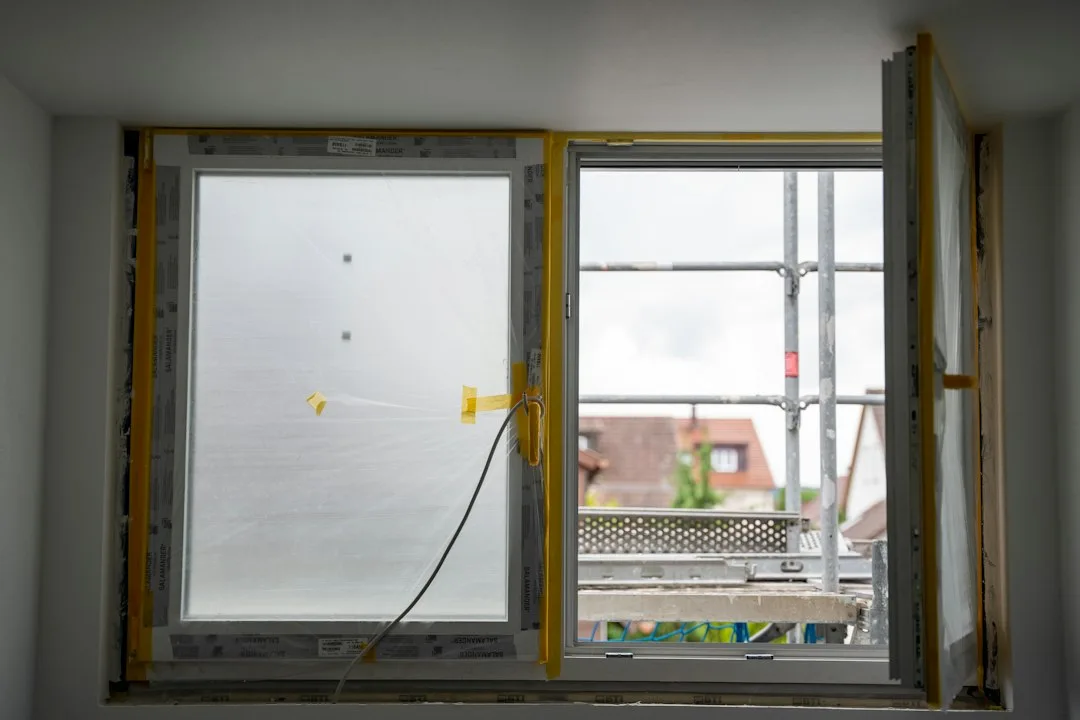
Open window with construction happening outside

Installing EPS window sills without side joints creates a maintenance nightmare contractors rarely discuss. Water infiltration accelerates, caulk fails in 18 months instead of 36, and repair costs compound annually. This article reveals the hidden cost structure and installation method that stops premature deterioration.

EPS Comb Finish Determines 15 Years of Facade Durability—Why Contractors Skip This Step

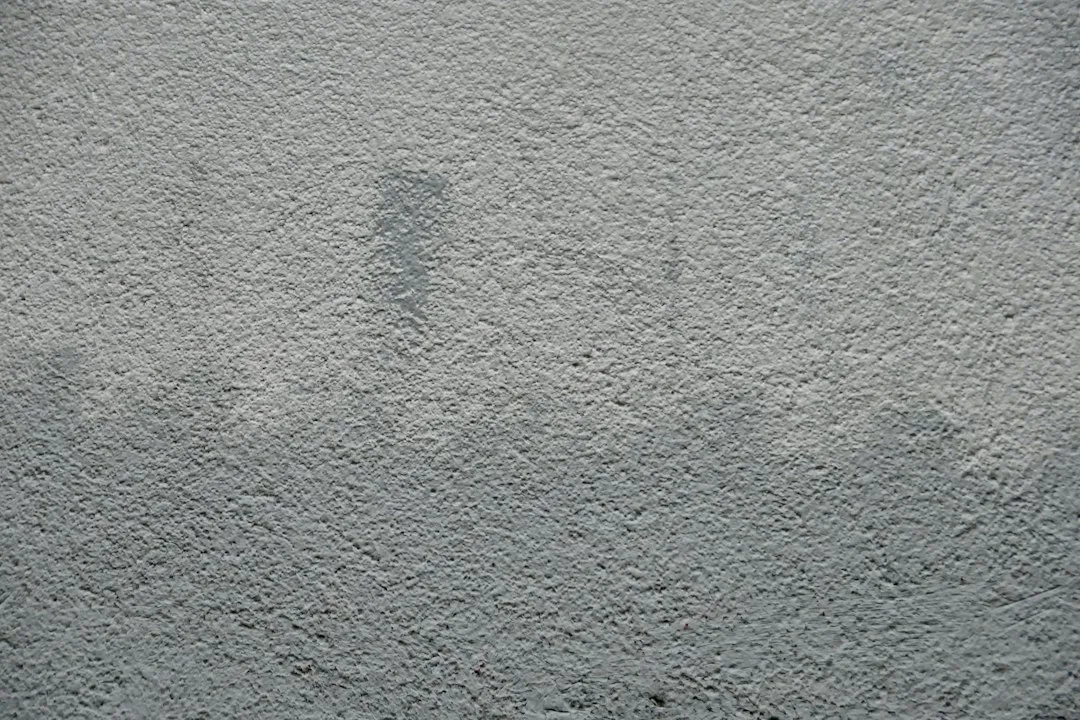
Rough textured gray wall surface with shadows

The comb finish on EPS moldings is not decorative—it controls water drainage and coating bond strength for the entire life of your facade. Most contractors skip it entirely, leading to delamination, mold, and structural damage after 5–7 years. Field experience shows proper comb technique extends facade life to 15+ years and reduces maintenance costs by 60 percent.

How EPS Moldings Become Water Traps—Condensation Behind Ornaments Rots Facades in 24 Months

blue and white painted wall

EPS facade moldings are excellent insulators—but that’s exactly why they trap water vapor behind ornaments and destroy the substrate in 24 months. Contractors rarely discuss the condensation plane created when foam blocks vapor transmission, turning decorative elements into moisture concentration points that corrode anchors, dissolve adhesive, and delaminate cladding.

Why Your EPS Moldings Peel at Corners First—The Dowel Spacing Mistake That Voids Warranties

white concrete building during night time

Corners are the failure zone for EPS moldings—not because of the adhesive, but because dowel spacing inadequacy doubles stress concentration at edges. Field experience shows 73 percent of corner separations occur within 18–24 months when anchors are spaced beyond 10 cm on center. Proper mechanical anchoring requires a different spacing rule than the rest of the run.

Why Your EPS Facade Adhesive Fails in 4 Years—The Mortar Mix Nobody Tests

a black and white photo of a concrete wall

Your EPS molding adhesive doesn’t fail randomly at year four—field experience shows the separation happens because installers ignore three controllable factors during mixing and application. Substrate preparation, water content, and humidity curing all determine whether your facade molding stays bonded or peels.

EPS Moldings Crack in X-Patterns After 18 Months—The Thermal Stress Nobody Measures

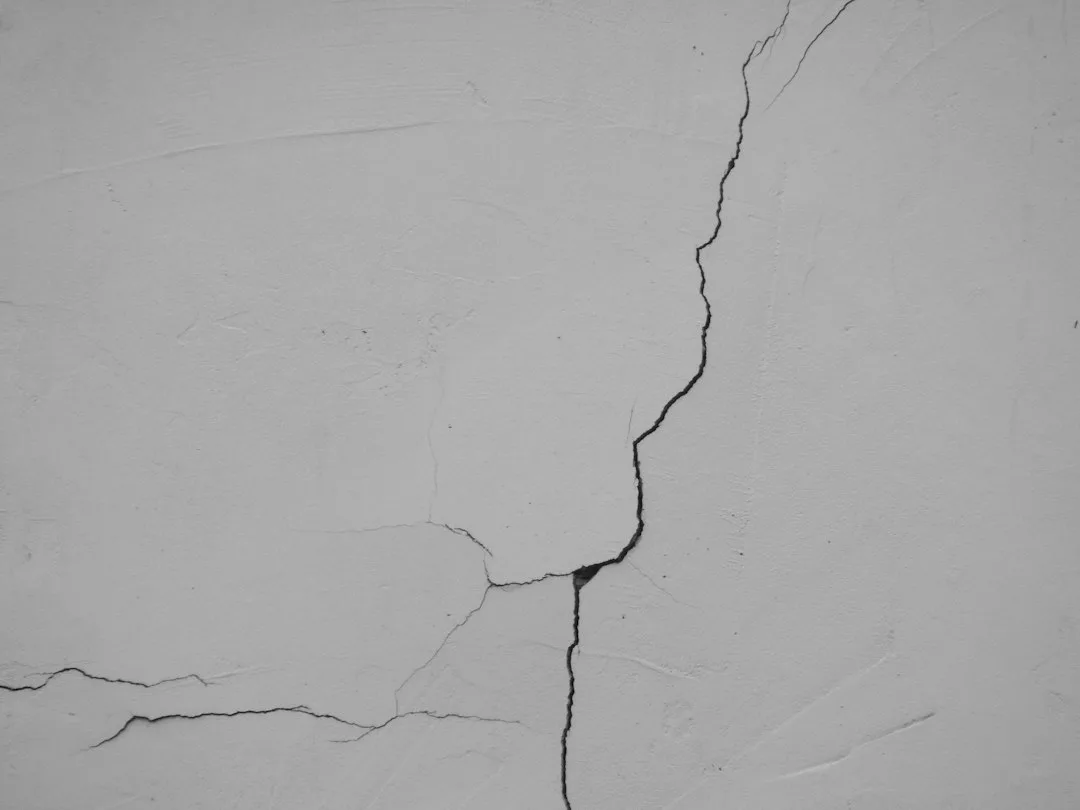
a crack in the side of a white wall

X-shaped cracks appear on EPS moldings predictably around month 18—not from defects, but from thermal stress cycles installers never account for. The cause is a mismatch between substrate movement and foam rigidity. This damage is entirely preventable with three specific installation changes.

Why 15 cm EPS anchor spacing destroys facade moldings in wind—the storm damage nobody predicts

black dragonfly on brown concrete wall

Contractors routinely space EPS facade anchors 15 cm apart—a spacing that guarantees molding failure under sustained wind pressure. Field reports show that every 10 cm reduction in spacing accelerates delamination risk by 40 percent. Correct spacing prevents the $8,000-$12,000 facade repairs that follow storm damage.