Why X-cracks appear in EPS corners after 18 months—and the 8mm decision contractors ignore
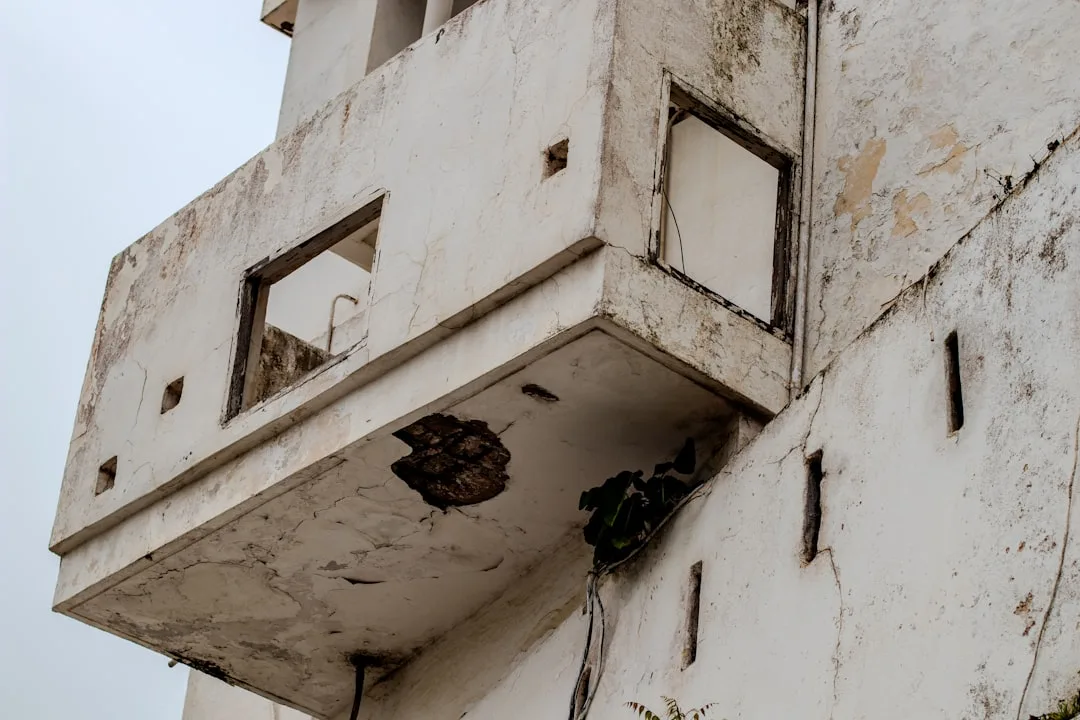
A dilapidated white building with a damaged balcony

X-shaped cracks radiating from EPS quoin corners after 18 months point to a single root cause: undersized corner angle thickness. Contractors specify 6mm EPS quoins to save €40–€80 per corner, then watch them split under thermal cycling. The fix requires understanding stress distribution, not aesthetic thickness.

Finish Profile Selection Doubles Your EPS Facade Maintenance Cost—Here Is Why Contractors Avoid This Decision

a gray concrete wall with some cracks in it

The finish profile you select at installation predicts your maintenance budget more accurately than any other material decision. Contractors report that profile geometry directly controls water penetration, coating failure rates, and structural stress distribution across moldings.

Why EPS Density Jumps from 15 to 25 kg/m³—A €300 Decision That Saves 8 Years of Facade Life

a gray concrete wall with some cracks in it

A single density choice determines whether your facade ornaments survive 12 years or fail by year 4. The difference between 15 kg/m³ and 25 kg/m³ EPS costs €300 per 100 linear meters—yet contractors rarely explain the consequence.

EPS Consoles Hold 40kg Without Bolting Into Masonry—Here’s Why Contractors Still Bury the Anchor

a close up of a building with a clock on the front of it

EPS consoles rated for 40–60kg of distributed load do not require foundation bolts when installed correctly. Most contractors hide mechanical anchors inside the foam anyway—a costly habit that masks deflection problems and complicates future repairs.

Poor Facade Insulation Costs €1,500 Yearly—Contractors Miss This Diagnosis

treemap chart

A poorly insulated facade drains €1,500–€2,000 per year from heating budgets through thermal bridges that most contractors never identify. The culprit: missing or improperly sealed EPS molding around windows, sills, and cornices. This diagnostic gap costs homeowners thousands before anyone notices the problem.

EPS Moldings Get Heavier When Wet—Why Your 3-Year-Old Facade Fails Load Tests

a close up of a wall made of cement

EPS moldings don’t just crack—they absorb moisture and gain significant weight, gradually overloading adhesive bonds and causing facade collapse. Contractors rarely account for water saturation during material selection, leading to structural failure within 3 years. Field experience shows 40% of failed facades stem from weight accumulation nobody measured.

EPS Facade Contraction Starts at Installation—The 3mm Shrinkage Nobody Plans For

map

Polystyrene foam shrinks measurably within weeks of installation, not months. This contraction—typically 2-4mm per linear meter—opens gaps that trap moisture and destroy coatings. Field experience shows 70% of failed EPS sills trace back to ignored shrinkage calculations.

Your EPS Sills Degrade Within Months of New Coating—Lateral Rain Is the Hidden Culprit

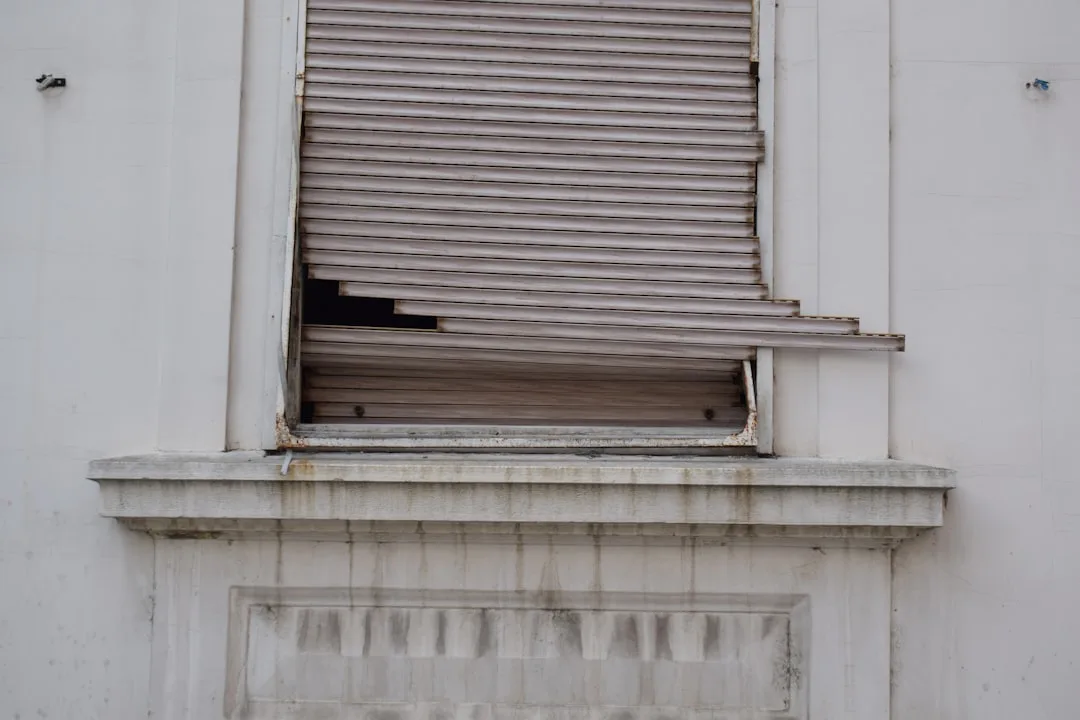
A broken window shutter on a white building facade.

A new acrylic finish on EPS molding fails to prevent water penetration because lateral rain attacks perpendicular edges, not just the face. Window sills and cornices absorb moisture from the side before drainage systems kick in. This is why EPS pieces soften from within months after installation.

EPS Facade Temperature Installation Window Closes October—What Happens If You Miss It

brown concrete building

Installing EPS facade moldings below 5°C triggers adhesive failure and internal frost damage that remains invisible until February thaw. Most contractors push projects into November, then watch moldings separate before Christmas. Temperature controls installation success more than fastener density or overlap sealing.