Painting EPS Moldings Without the Right Primer Ruins Them in Two Years

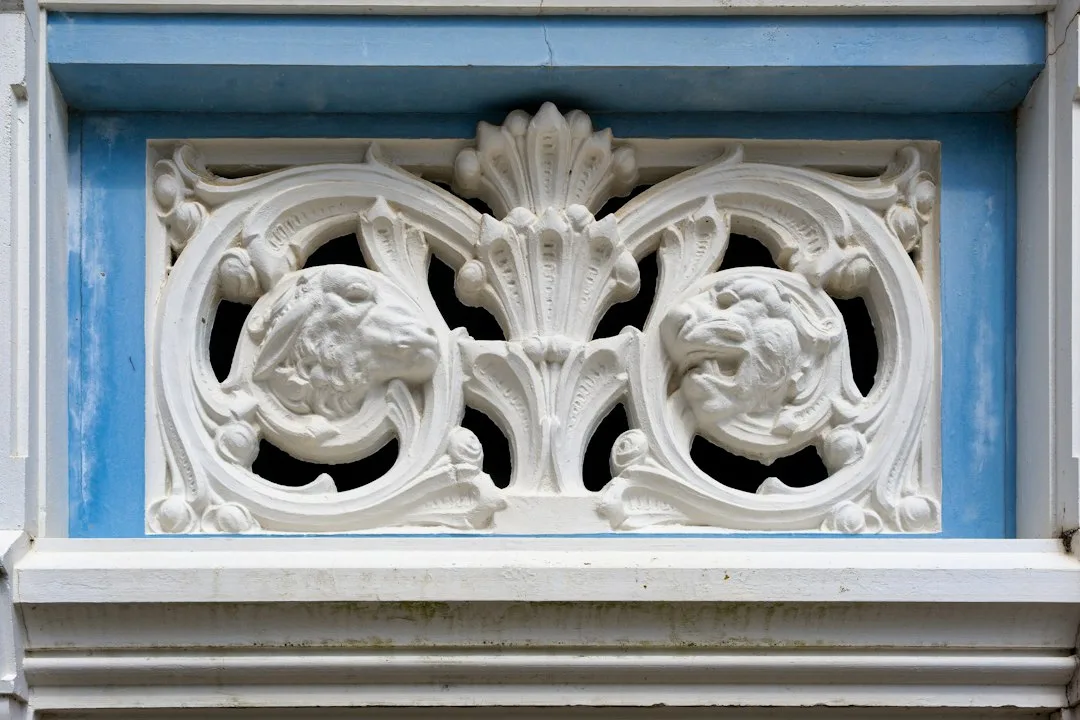
Ornate, white architectural detail set in blue

Most paint failures on EPS moldings appear within two winters, and the paint is rarely the real culprit. Solvent-based coatings can soften the foam surface they sit on, while rigid interior latex cracks as the foam moves with temperature. A compatible primer costs a fraction of the repaint bill that follows.

Why Budget EPS Facade Adhesive Causes 60 Percent of Molding Failures

a black and white photo of a concrete wall

Six out of ten EPS molding detachments on North American facades trace directly to bargain-basement adhesive products that cost 40 percent less but fail in under five years. Premium facade adhesives add $0.80–$1.20 per linear foot—a buffer that prevents ten times the repair cost when moldings separate from walls.

Why EPS Moldings Fail on Plaster—The Surface Prep Most Installers Never Do

A snow-covered roof with pine trees and blue sky

Most EPS molding installers apply adhesive directly to aged, chalky plaster—a decision that guarantees failure within 18 months. The missing step costs under $100 per facade but saves $5,000 in repairs. Field experience shows proper surface conditioning increases EPS adhesion bond strength by 240%.

2 Centimeters Shallow Costs Five Years of Water Damage—Why EPS Support Ledges Fail

a bird sitting on a window sill in the rain

Contractors routinely install EPS support ledges 2 centimeters too shallow, triggering water intrusion within 5 years. This single dimensional error costs homeowners $8,000–$15,000 in facade repairs. The fix costs under $200 during installation.

Why Your EPS Moldings Crack Silently in Winter When Expansion Joints Are Missing

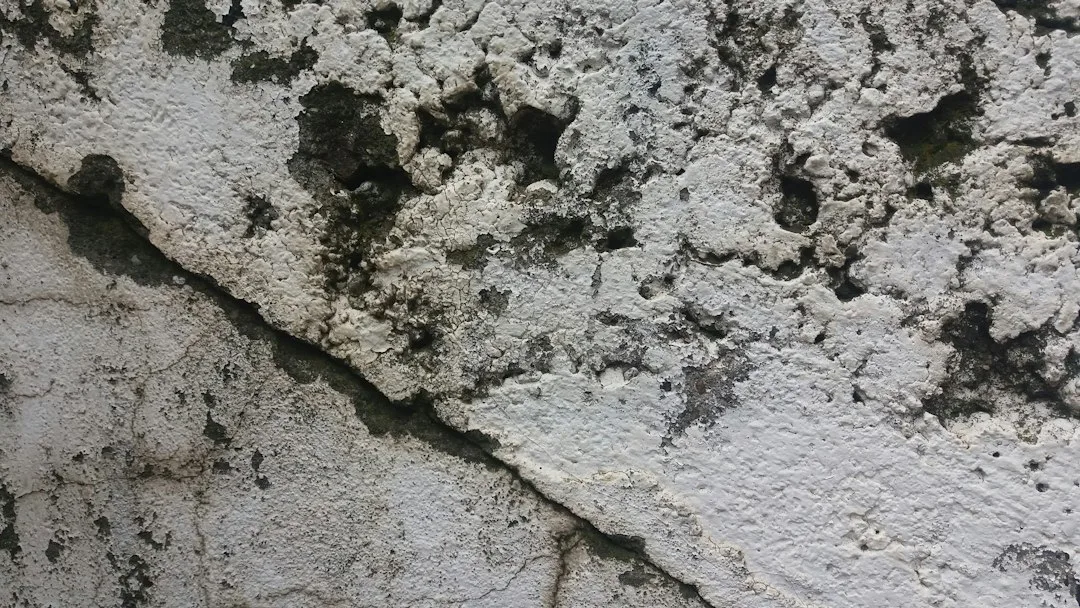
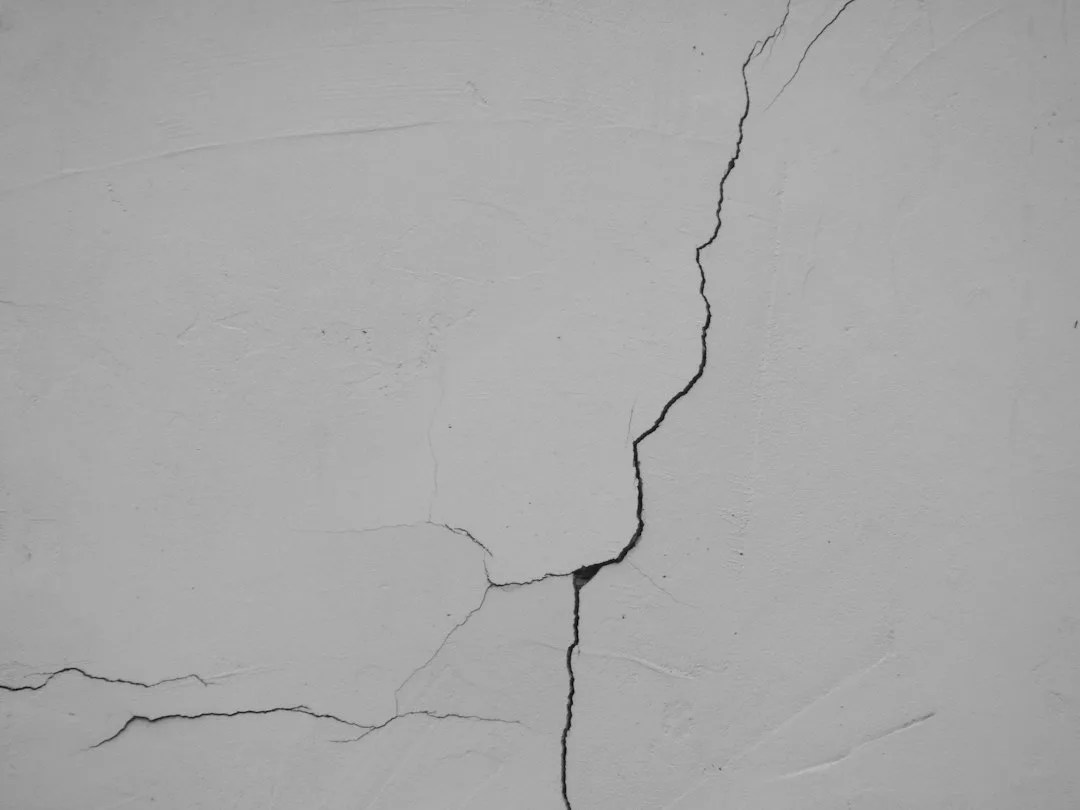
a crack in the side of a white wall

Most contractors omit expansion joints in EPS facade moldings, causing silent winter cracking that compounds into structural damage. Missing these joints costs $8,000–$15,000 in repairs within 3–5 years. Here’s why the gap matters and how to specify it correctly.

Why Your EPS Moldings Swell After Installation and the 48-Hour Fix Contractors Won’t Tell You

white and black rock formation

EPS moldings absorb moisture and swell within days of installation, even when adhesive appears dry. This expansion creates hairline gaps that leak water into insulation for years. The 48-hour prevention window is narrower than most contractors acknowledge.

Horizontal chain fissures in EPS why 80 percent of facades crack in straight lines

a crack in the side of a white wall

Eight out of ten EPS facade projects develop horizontal fissures that run in parallel chains across the wall surface. This is not a structural failure—it is a predictable finish layer error that occurs 18 to 36 months after installation. The cause lies in how the base coat and reinforcement mesh are applied, not in the foam itself.