The cladding that looks cheapest on the installation quote is frequently the one that costs you the most over twenty years. Field experience shows that painting, sealing and partial replacement can easily double the lifetime cost of a facade, while the material price itself is only part of the story. Maintenance is the hidden line item that most homeowners never budget for.
Why the Purchase Price Misleads Homeowners
Most cladding comparisons stop at the price per square metre of supply and installation. That number tells you almost nothing about what happens after the scaffolding leaves. A material that costs less to buy but needs repainting every two years will cost more than a pricier panel that needs a wash every few years.
The correct comparison is total cost of ownership across the period you intend to keep the building. For most owners that means 20 to 30 years. Within that window, a cladding system will typically need one or more of the following: repainting, resealing, board replacement, or fixing repairs caused by moisture. Each of these carries labour cost, scaffolding cost and disruption, which is why contractors often price upkeep higher than the material itself.
Wood Cladding: The Maintenance Commitment You Sign Up For
| Material | Typical maintenance interval | Main upkeep task | Relative lifetime upkeep |
|---|---|---|---|
| Softwood timber cladding | Every 2 to 3 years | Repaint or re-stain, check end grain | High |
| Hardwood timber cladding | Every 3 to 5 years | Oil or light stain, clean | Medium |
| Wood-plastic composite | Every 5 to 10 years | Wash, check fixings | Low to medium |
| Fiber cement board | Every 7 to 10 years | Repaint, seal joints | Low |
| Powder-coated metal | Every 10 to 15 years | Wash, touch up scratches | Low |
| Aluminium or zinc panels | Little to none | Clean, inspect seals | Very low |
Timber remains attractive for its warmth and its low embodied carbon, but it asks for the most attention. Softwood boards such as spruce or pine, if left unfinished or under a thin stain, can start to grey, check and lift within a few seasons. Field experience shows that the north and west elevations, which receive the most driving rain, are where repainting first becomes urgent.
Hardwoods and thermally modified timber are more stable and extend the interval, often to three to five years between finishing coats. The critical detail is end-grain protection. Cut ends and board ends that absorb water are the usual point of failure, so sealing them before fixing is worth the extra time. A durable oil or a quality opaque stain applied to all faces, including the back, is what actually determines how often you return with a brush.
Composite and Fiber Cement: Lower Upkeep, Different Failure Modes
Wood-plastic composite boards from manufacturers such as Trex and Fiberon reduce the painting cycle dramatically, because the colour runs through the board rather than sitting on the surface. Their upkeep is mostly washing, since mould and dirt can gather in shaded areas, and checking that fixings and expansion gaps have not been blocked. Composite does expand and contract more than many owners expect, so the spacing guidance from the manufacturer should be followed closely.
Fiber cement from brands such as James Hardie and Nichiha is widely used for its dimensional stability and resistance to fire and insects. It is typically supplied primed and then painted, and it generally needs repainting every seven to ten years. Its weak point is installation rather than service life. Cut edges that are left unsealed, or joints without proper flashing, let water into the substrate. A common pattern is that a fiber cement facade looks perfect for a decade and then develops localised swelling where a cut was never sealed.
Metal Cladding: High Upfront, Lowest Recurring Cost
Metal panels, including powder-coated aluminium and zinc or zinc-titanium systems, carry the highest initial price. Their maintenance profile is the lightest of the four families. Powder coatings from producers such as those supplying the Qualicoat-accredited market are designed to hold colour and gloss for well over a decade in most climates, and they rarely need repainting in the conventional sense.
The maintenance that does matter is inspection. Check the seals around windows and penetrations, look for scratches that could allow corrosion to start, and clean the surface periodically to remove salt or industrial deposits. In coastal or heavily polluted areas the cleaning interval shortens, but the overall burden remains small. For owners who plan to stay a long time, the reduced painting and replacement cycle often offsets the premium paid at the start.
The Hidden Cost Most Owners Miss: Moisture Behind the Cladding
Whatever material you choose, the cheapest long-term upkeep comes from getting the ventilated cavity and the water management right. A rainscreen gap behind the cladding, drainage at the base, and flashing over openings let the wall dry out. Without them, even the most durable board will trap moisture, and the result is decay in the timber frame or insulation rather than a visible cladding failure.
This is also where a separate maintenance problem often starts. Owners frequently discover damp patches inside the building years after an apparently successful re-clad, and trace them to a detail that was never built correctly. The lesson is that the cladding is only one layer of a system. Budgeting for the moisture detailing up front is far cheaper than repairing the wall behind it later.
How to Build a Realistic Lifetime Budget
Start with the expected service period and list every maintenance event you can foresee for each candidate material, with its approximate interval and cost. Include scaffolding, which is often the largest single item and can be shared across several tasks if you schedule them together. Then compare the total against the initial quote, rather than against the other quotes alone.
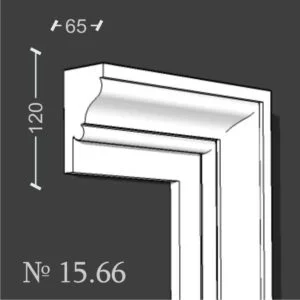
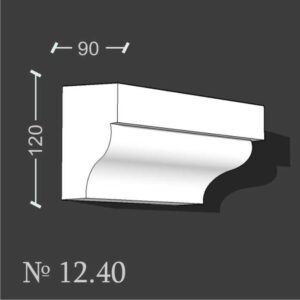
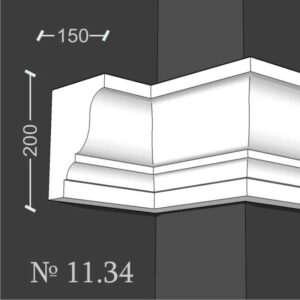
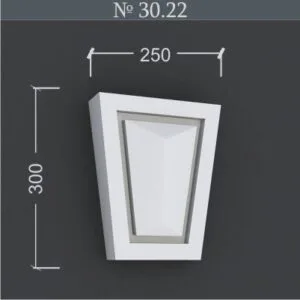
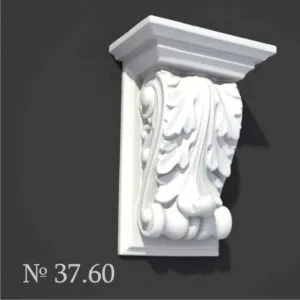
Ask contractors for their recommended finish and maintenance schedule in writing, and for the specific detailing used at edges, openings and the base. A cladding product sold on a warranty is only as good as the installation conditions that warranty requires. Finally, if the facade has decorative elements such as window surrounds, cornices or pilasters, factor in how those interact with the cladding, because paint and sealant lines around them are a frequent source of repeat work. Decorative foam elements from manufacturers offering exterior foam moldings can be integrated into a cladding scheme, but their joints need the same sealing discipline as the boards themselves.
Careful upkeep planning also protects the parts of the building that are easiest to overlook. Window reveals, for example, are a classic location where water collects and where a poorly sloped sill keeps wetting the wall beneath. Owners who have already noticed this pattern can review our guide on how a window sill slope prevents wall damage before committing to a new finish.
Finally, consider the aesthetic cost of maintenance as well as the financial one. Some owners choose a cladding with a lower upkeep profile but then add a decorative accent, such as decorative window sills, to give the facade character without reintroducing a high painting burden. The principle is consistent: choose the surface that you are genuinely willing to maintain, and then specify the details that keep water away from it. That combination, more than any single material, determines whether your cladding costs you once or keeps costing you every few years.