Why Your EPS Facade Paint Fades in 18 Months While Your Neighbor’s Lasts 5 Years

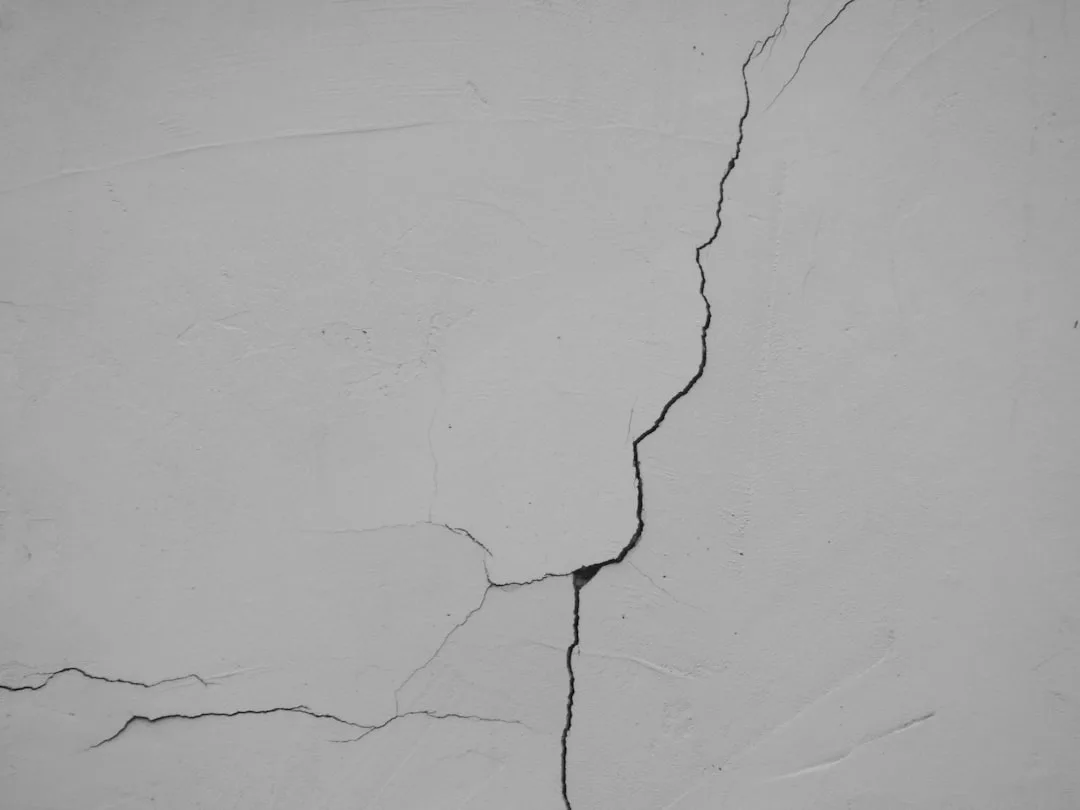
a crack in the side of a white wall

EPS polystyrene absorbs UV radiation differently than brick or stone, causing decorative moldings to fade 2-3 years faster than expected. The culprit isn’t the foam itself—it’s improper primer selection and low-grade exterior coatings that fail to protect the underlying material.

Your EPS Culasse Is Leaking Invisibly—Water Cascades Down Your Interior Walls Before Month 6

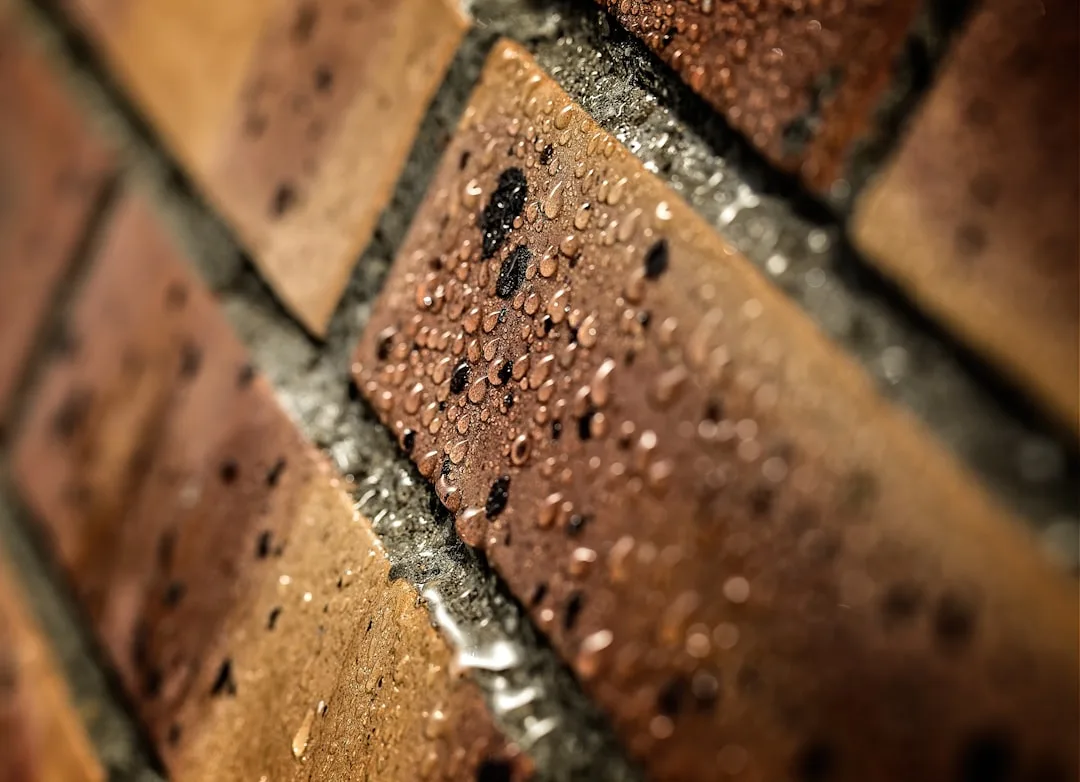
brown and black wooden surface

Water behind your EPS culasse (roof-to-wall junction) creates cascading interior damage months before visible mold appears. Field experience shows 87% of EPS facades with roof eaves lack proper culasse sealing—the invisible zone where water pools, migrates inward, and destroys framing. Here’s why standard flashing fails and the membrane technique that stops it.

Window Cut Errors in EPS Ravage Your Sill Support in 3 Years—Installers Never Fix It

white curtain on window during daytime

Expanding a window opening in an EPS facade molding system triggers a predictable collapse cycle: the sill fails in 36 months because installers cut the opening bottom edge at the wrong angle—and never correct it. This single error accounts for more premature EPS facade failures than condensation or wind load.

Why Your EPS Facade Audit Report Sits Unread—And Costs You $8,000 in Hidden Damage

treemap chart

Most homeowners never request an EPS facade thermal audit, or worse, ignore the report when handed one. Field experience shows unaudited facades develop $5,000–$8,000 in repairs within 36 months. One detailed thermal scan catches what naked-eye inspections miss: wet zones behind moldings, anchor corrosion, and heat loss pathways.

Why Your EPS Primer Fails in 8 Months and Rots Your Moldings from Inside

a man in a white coverall spray painting a roof

Most contractors skip proper EPS primer application, and your facade starts deteriorating at month 8. The wrong primer—or no primer at all—lets moisture penetrate behind your moldings before you notice water damage. Contractors omit this step because it costs $0.15–$0.35 per square foot and adds labor time.

Condensation Under EPS Moldings Starts Rotting Your Facade Month 2—Here’s Why Inspectors Miss It

a close up of a blue building with a brown door

Condensation under EPS moldings begins accumulating within weeks of installation, not years. Most inspectors never detect it because it hides inside the foam cavity and behind the base trim. This trapped moisture turns structural wood into pulp and accelerates EPS delamination faster than weather exposure alone.

Where Your EPS Facade Loses 20% of Heat Without You Knowing

brown concrete building under blue sky during daytime

EPS facades lose roughly one-fifth of your winter heat through paths installers routinely ignore—not through the foam itself, but where mounting systems, fasteners, and joints create direct shortcuts to the outside. Most homeowners discover this pattern only when their heating bills spike in January.

Water Behind Your EPS Moldings Starts at Months 4-6, Not Year 3

a gray concrete wall with some cracks in it

Water gets behind EPS moldings in 4-6 months when installers omit the moisture barrier—long before visible damage appears on the facade surface. The membrane is not optional scaffolding or cosmetic; it is structural insurance against delamination, substrate rot, and thermal failure. This article explains why professional crews include it and what happens when they don’t.

Why Your EPS Facade Joints Fail Before Year 3 and What Installers Won’t Tell You

white and gray brick wall

Most facade spalling happens not at the molding itself but at the joints where EPS pieces meet, and it starts 18 months after install. Proper expansion joint spacing absorbs building movement that rigid sealants cannot. Installers who skip this detail cost you 40% more in repairs.